A dependable earthing system is an essential part of electrical safety in industrial facilities, commercial buildings, residential projects, telecommunication infrastructure, and renewable energy installations. Chemical earthing electrodes are designed to provide a reliable connection between an electrical installation and the ground, particularly in locations where soil conditions can make conventional earthing challenging. As demand for efficient grounding solutions grows, chemical earthing electrode manufacturers are supplying products designed for diverse applications and installation environments.
What Is a Chemical Earthing Electrode?
A chemical earthing electrode is a conductive electrode installed in the ground as part of a grounding system. It is generally used together with a suitable conductive backfill or earthing compound around the electrode. This arrangement can improve contact between the electrode and surrounding soil and support consistent grounding performance.
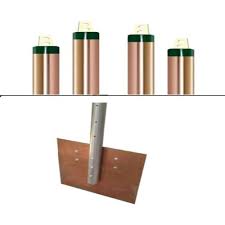
Electrodes may be manufactured using materials such as galvanized steel, copper, or copper-bonded steel, depending on the product design and application. The choice of material can influence conductivity, mechanical strength, corrosion resistance, and service life.
Role of Chemical Earthing Electrode Manufacturers
Professional chemical earthing electrode manufacturers focus on producing electrodes with appropriate dimensions, materials, and mechanical properties for different grounding applications. Manufacturing quality is important because the electrode remains underground and may be exposed to moisture, soil chemicals, and changing environmental conditions for long periods.
Reliable manufacturers maintain production controls to ensure consistency in electrode dimensions, material quality, surface finish, and connections. Proper manufacturing can help the electrode withstand installation forces while maintaining a dependable conductive path.
Manufacturers may also offer different electrode sizes and configurations to meet the requirements of residential, commercial, industrial, and infrastructure projects.
Applications of Chemical Earthing Electrodes
Chemical earthing electrodes are used in a wide range of electrical installations. Industrial plants may require grounding for machinery, electrical panels, control systems, automation equipment, and other critical installations. A suitable earthing arrangement can support electrical safety and provide a path for fault currents.
Commercial buildings, warehouses, hospitals, schools, and residential complexes can also use chemical earthing systems as part of their electrical infrastructure.
Telecommunication towers and communication facilities require reliable grounding for equipment and structural components. Chemical earthing electrodes can be incorporated into these systems where suitable for the site’s soil and electrical conditions.
Solar power plants and other renewable energy installations are another important application. Solar modules, mounting structures, inverters, and associated electrical equipment require properly designed grounding systems to support overall electrical protection.
Materials and Manufacturing Quality
Material selection is a key consideration when choosing an earthing electrode. Galvanized steel can offer mechanical strength and corrosion resistance, while copper and copper-bonded materials provide conductive surfaces suitable for many grounding applications.
The electrode must also be compatible with the surrounding conductive compound and other grounding components. A quality product should maintain its structural and electrical characteristics under the conditions for which it is designed.
When evaluating chemical earthing electrode manufacturers, buyers should consider manufacturing processes, material specifications, product dimensions, corrosion resistance, and quality-control procedures.
Choosing the Right Manufacturer
Selecting the right manufacturer involves more than comparing product prices. Buyers should review the manufacturer’s experience, production capabilities, product range, technical documentation, testing procedures, and customer support.
A manufacturer offering multiple electrode sizes and materials can be beneficial for projects with different soil conditions and grounding requirements. Technical assistance can also help contractors and engineers select suitable products for specific applications.
For large projects, manufacturing capacity and consistent product quality are especially important. Reliable supply can help prevent delays during construction and electrical installation.
Importance of Proper Installation
Even a high-quality chemical earthing electrode requires correct installation. Qualified professionals should assess soil resistivity, electrode placement, conductor size, connections, and the overall grounding design before installation.
The conductive compound should also be installed according to the manufacturer’s recommendations. Regular inspection of accessible connections and grounding components can help maintain system reliability over time.
Conclusion
Chemical earthing electrode manufacturers play an important role in supplying essential components for modern grounding systems. By offering properly engineered electrodes with suitable materials and consistent manufacturing quality, they support applications across industrial, commercial, residential, telecommunications, and renewable energy sectors. When selecting a manufacturer, buyers should consider product quality, material selection, dimensions, technical specifications, manufacturing consistency, and support services. With the right electrode and professional installation, a chemical earthing system can provide a dependable foundation for electrical safety and grounding performance.